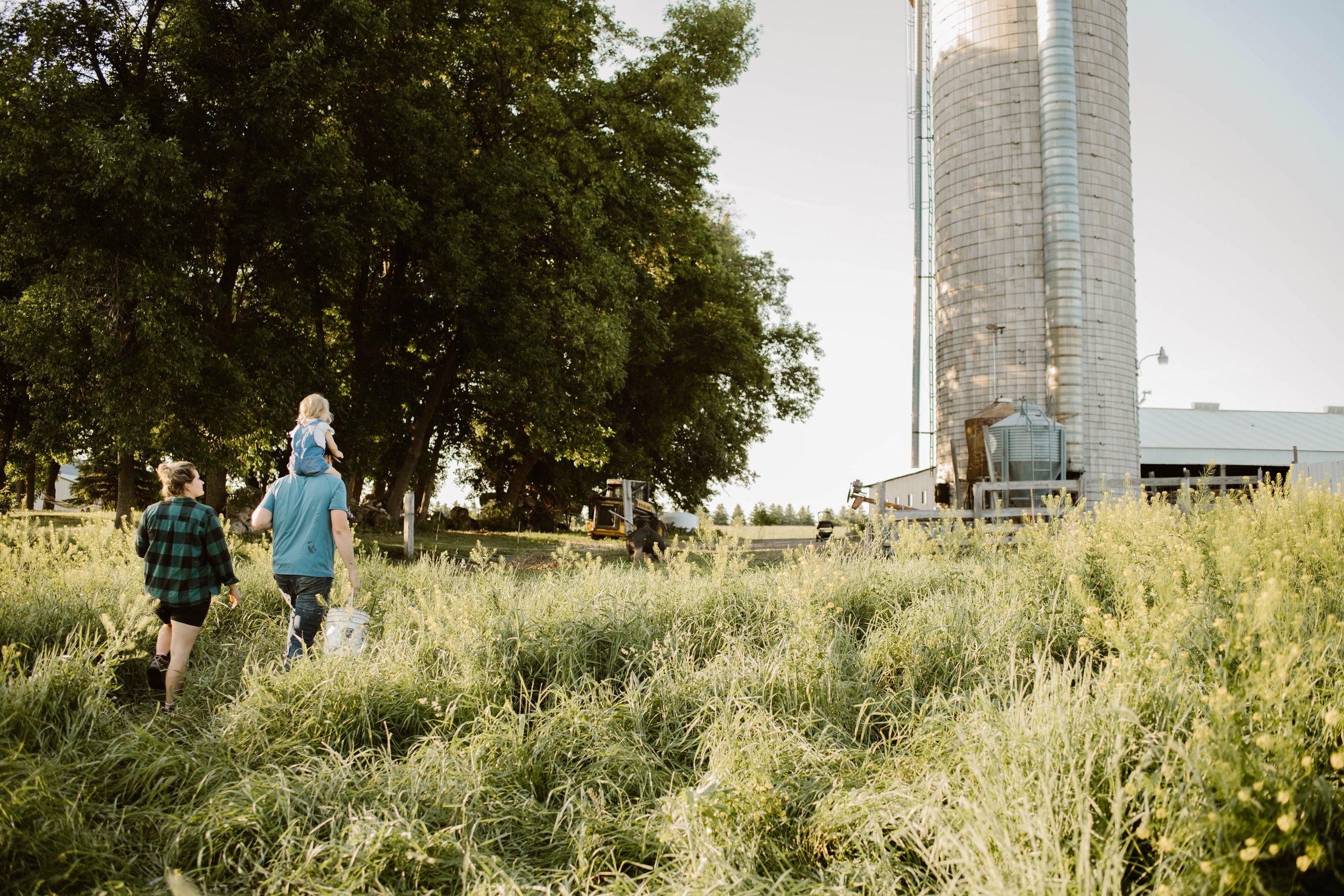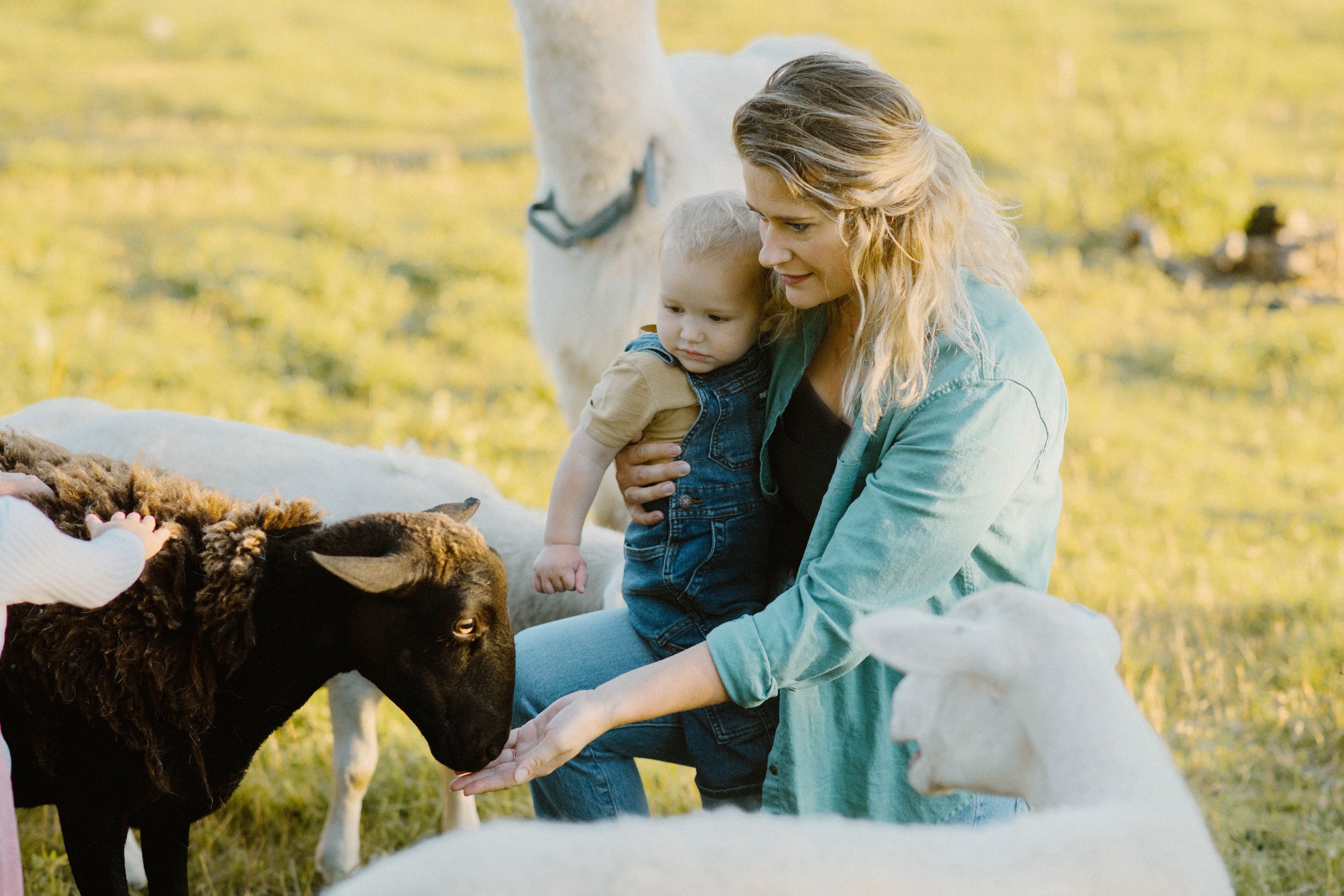
We raise our animals in a humane manner and give them the opportunity to fully express their true natural instincts
We want transparency and trust when buying our nutrient dense protein. We hope this helps understand our protocol for our animals.
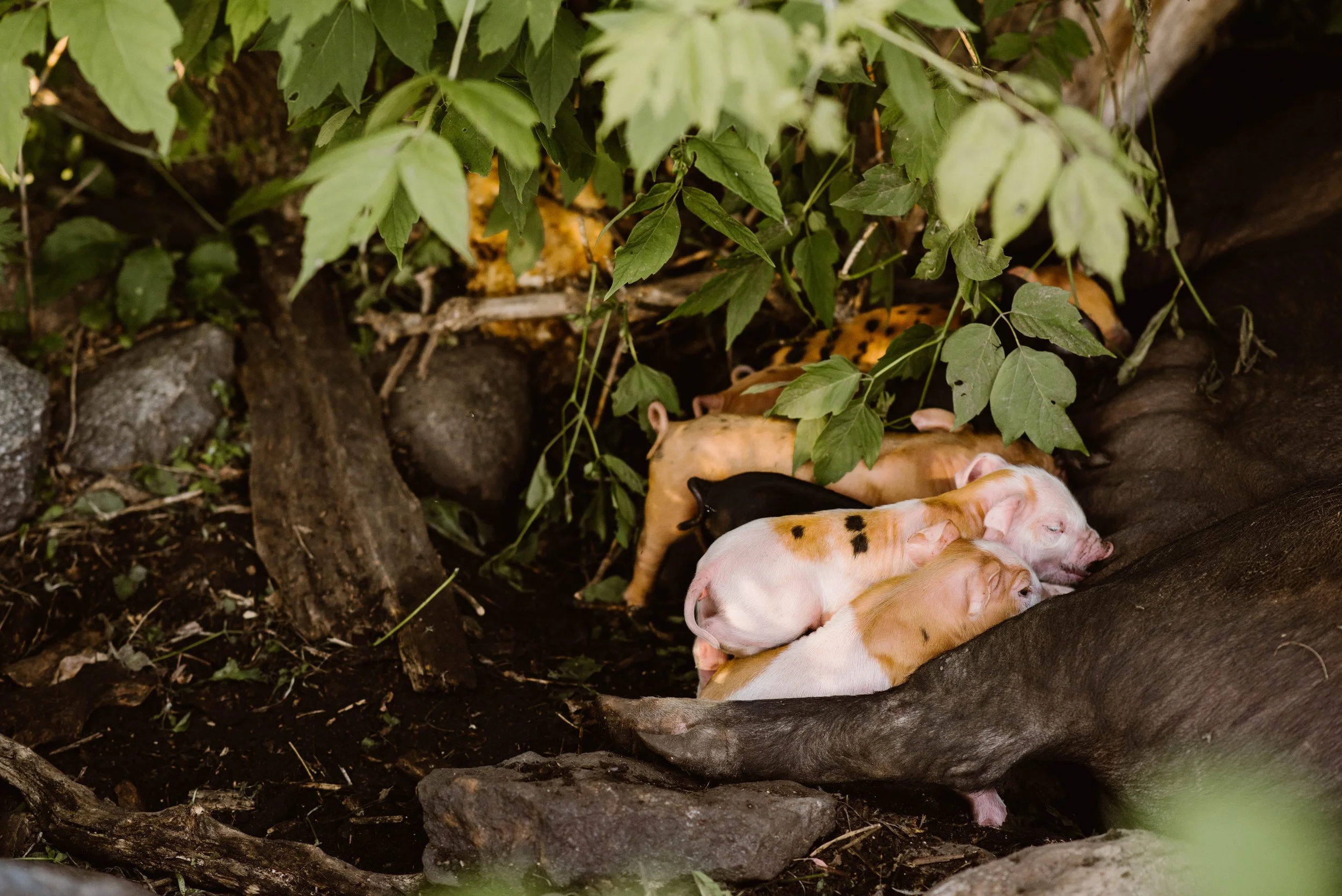
Protocol for our Hogs:
Vegetarian-Fed
All pigs are fed a 100% vegetarian diet, consisting of grains, legumes, and other plant-based feeds. No animal by-products are included in the feed rations. Our hogs always have a grain source while they graze on pasture or a bale in the winter.Raised Without Antibiotics
Pigs are raised without antibiotics from birth to harvest. No sub-therapeutic or therapeutic antibiotics are used at any stage of the animal’s life. If an animal becomes ill and requires antibiotics, it is treated accordingly and removed from the program.No Tail Docking or Teeth Clipping
We do not practice tail docking or teeth clipping on piglets. Our animals are raised in environments that support natural behaviors and reduce the need for physical alterations.Crate-Free
All pigs, including sows, are raised without the use of gestation or farrowing crates. Animals are housed in open environments that allow for freedom of movement and socialization.
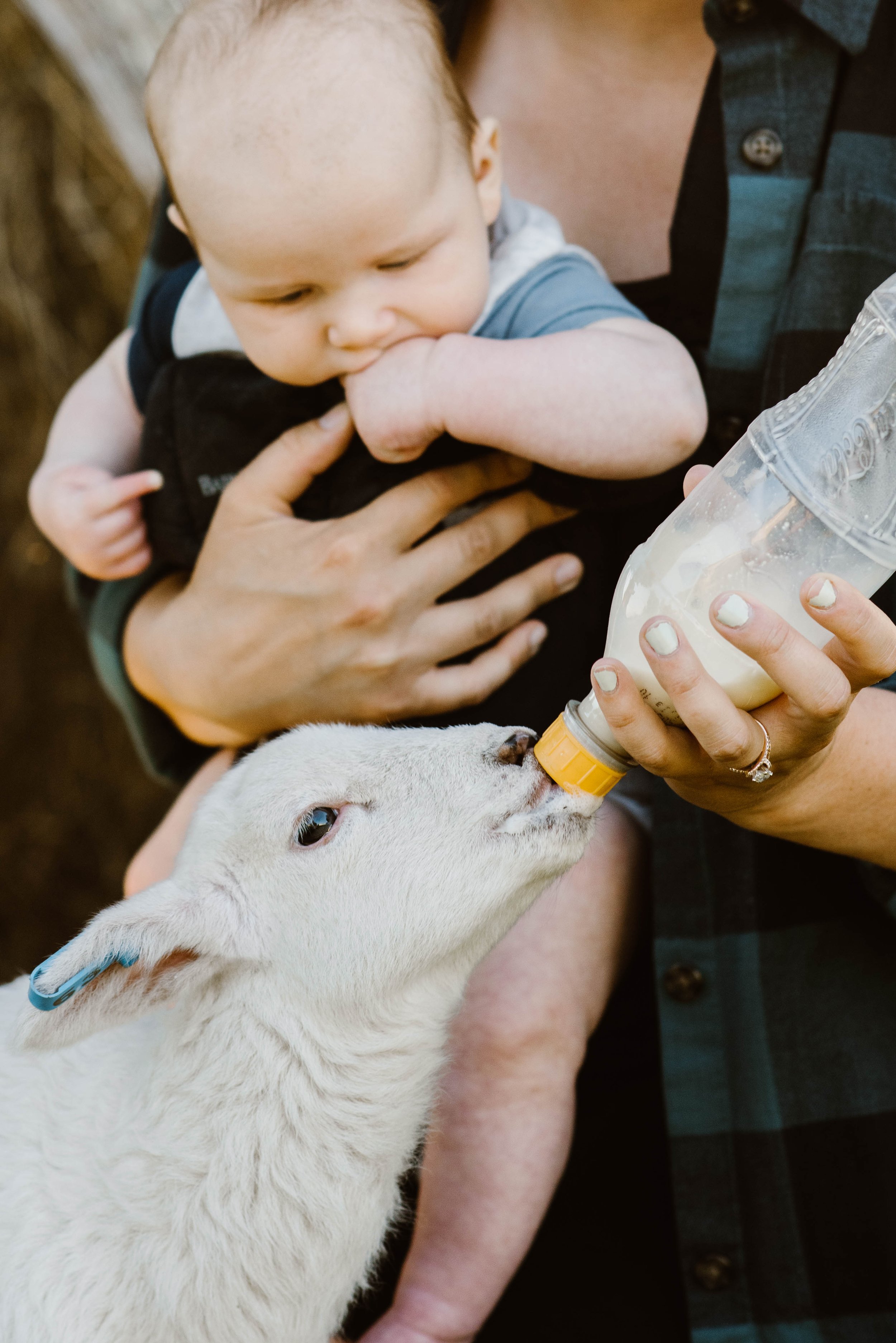
Protocol for our Sheep:
Grass-Fed
Our sheep are raised on pasture and fed a 100% forage-based diet, including fresh grass, hay, and other pasture-based forages. No grain is used in their regular diet. Our ewes (mamas) get grain on our farm tour which are our breeding stock and do not get butchered.Raised Without Antibiotics
Sheep in our program are raised without the use of antibiotics from birth to harvest. If an animal requires antibiotics for health or welfare reasons, it is treated responsibly and removed from this program.Humane Animal Care
Our sheep are handled with care and respect, with access to shelter, clean water, shade, and pasture for grazing. They are raised in an environment that allows for natural social behaviors and movement. No painful physical alterations (such as tail docking or mulesing) are performed on our sheep.
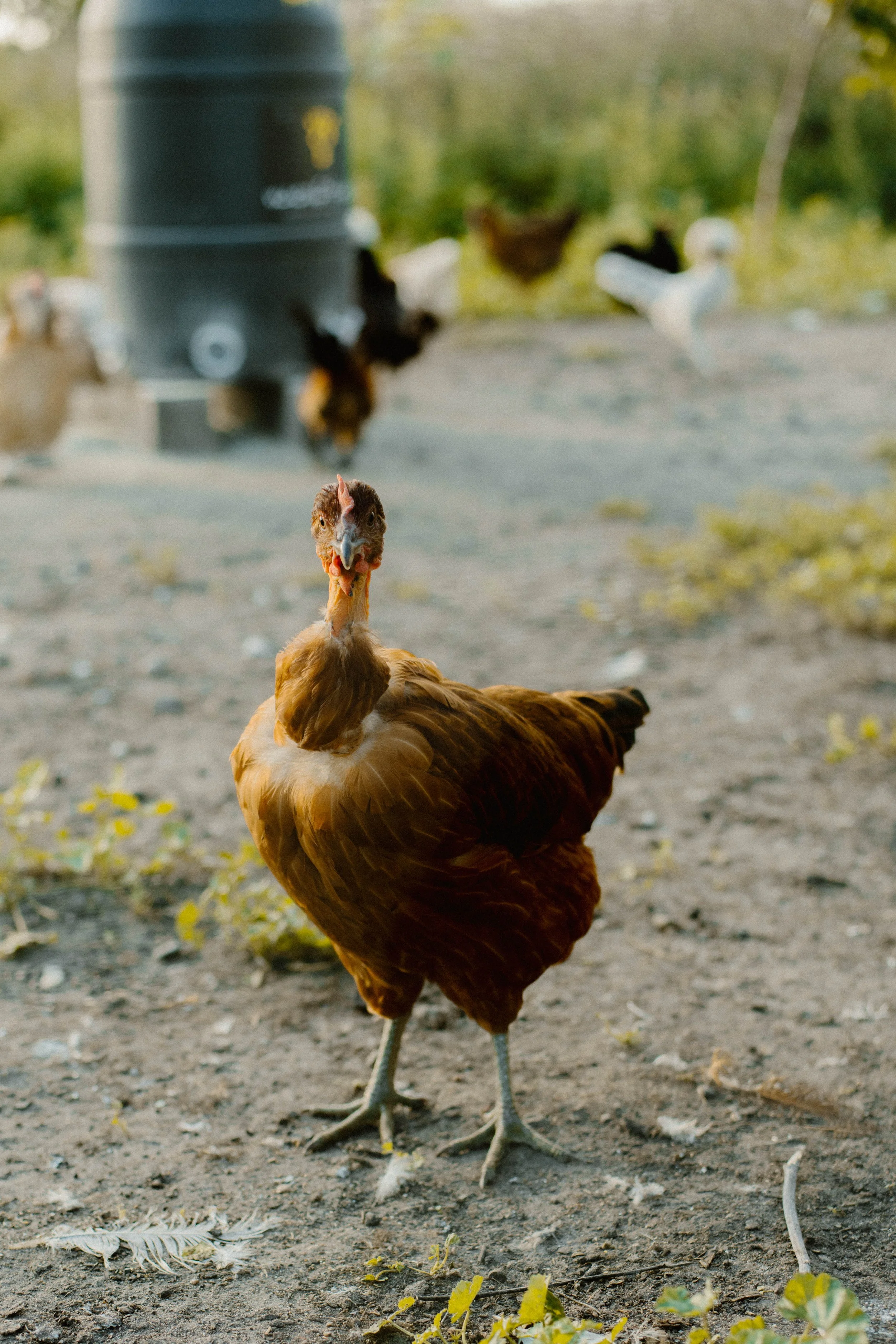
Protocol for our Chickens:
Pasture Access
All chickens are raised with daily access to pasture where they can forage, dust bathe, and express natural behaviors. They are provided shelter to protect them from the elements and predators.Raised Without Antibiotics
Our chickens are raised without antibiotics from hatch to harvest. If a bird requires antibiotics for health or welfare reasons, it is treated accordingly and removed from this program.Humane Animal Care
We are committed to humane animal husbandry. Chickens are raised in clean, uncrowded conditions with access to fresh air, clean water, natural light, and species-appropriate feed. We do not perform any beak trimming or other routine physical alterations.
Our Regenerative Farming Practices
At Feathered Acres Learning Farm + Inn, we use a full range of regenerative and sustainable practices designed to rebuild soil, protect water, and care for our animals and land in the most responsible way possible.
Soil and Crop Stewardship
Cover cropping: We plant diverse cover crops to protect the soil, add organic matter, reduce erosion, and feed soil microbes.
No-till systems on our fields: Minimal disturbance keeps soil structure intact, preserves carbon, and supports long-term soil health. We plant 30+ different species of cover crops planted.
Composting: Animal bedding and organic materials are composted and returned to the land as natural fertilizer.
Soil health restoration: Every practice on our farm works toward building healthier, more resilient soil for future generations.
Livestock Management
Rotational grazing: Animals are moved across fresh pasture frequently, preventing overgrazing and stimulating new plant growth.
Integrated crop–livestock system: Crops and animals support one another, with livestock naturally fertilizing fields and diverse pastures feeding the animals.
Agroforestry: Animals graze in and around wooded areas where trees provide shade, habitat, and ecosystem benefits.
Biodiversity and Habitat Protection
Pollinator strips and wildlife habitat: We maintain native plant areas, buffer strips, and pollinator-friendly zones to support bees, butterflies, birds, and beneficial insects.
Overall biodiversity enhancement: Combining trees, diverse pasture species, cover crops, and livestock creates a resilient and thriving farm ecosystem.
Water Stewardship
Water management practices: Our farm is Water Quality Certified, following strict standards that protect waterways, reduce runoff, prevent erosion, and keep nutrients on the land.
Renewable Energy
Renewable energy use: Our home and farm utilize geothermal heating and cooling to significantly reduce our environmental footprint.
Innovation and Future Practices
Precision cover crop planting: We plan to use drone technology to plant cover crops efficiently and precisely, improving soil health while reducing equipment passes and fuel use.